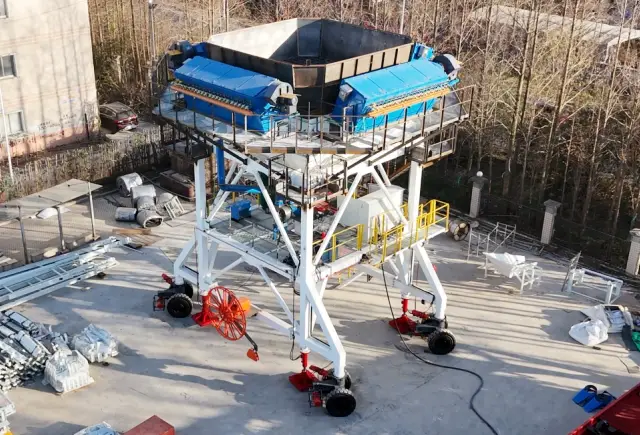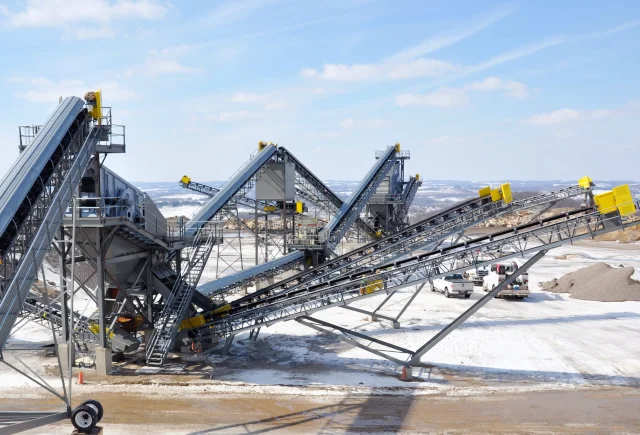
Stacker, Ship Loader, Eco Hopper, Reclaimer, Truck Unloader, Belt Conveyor Manufacturer

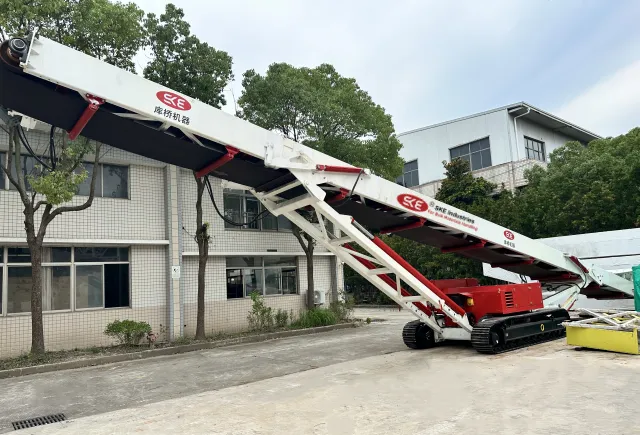
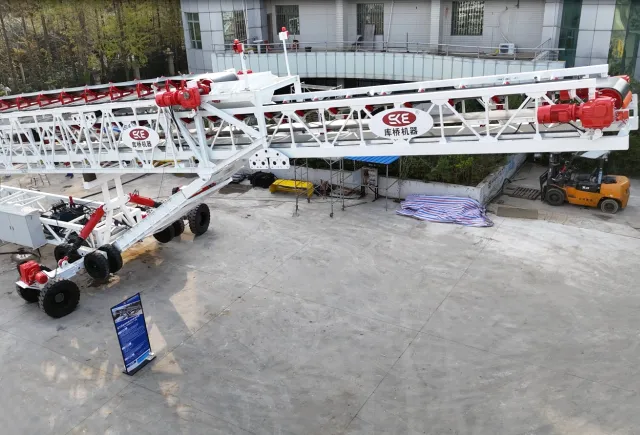
A telescopic ship loader for bulk material handling offers a unique combination of flexibility, precision, and environmental control. SKE Industries offer telescopic ship loader for bulk material handling project.
In today's bulk material handling industry, efficiency is no longer optional—it's expected. Ports and terminals handling coal, grain, ores, and aggregates are constantly looking for smarter ways to load vessels faster while minimizing dust, spillage, and labor costs. That's where the telescopic ship loader stands out.
A telescopic ship loader for bulk material handling offers a unique combination of flexibility, precision, and environmental control. By extending and retracting its boom, it can reach deep into a ship's cargo hold and distribute material evenly—without constantly repositioning equipment or vessels.
This article takes a closer look at how telescopic ship loaders for ports and terminals work, their key features, benefits, applications, and how to choose the right solution for your operation.
A telescopic ship loader is a type of bulk material loading equipment equipped with an extendable boom conveyor. Unlike conventional systems, the boom can extend forward and retract backward, allowing precise control over where the material is discharged inside the vessel.
This design makes it ideal for operations that require:
Common long-tail keywords naturally associated with this equipment include:

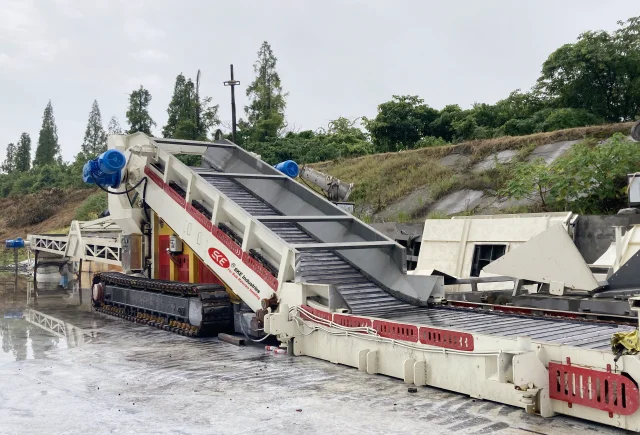
A telescopic ship loading conveyor system operates as part of a continuous bulk material handling process.
Here's how it typically works:
This makes the telescopic ship loader for efficient bulk cargo loading one of the most advanced solutions available for modern ports.
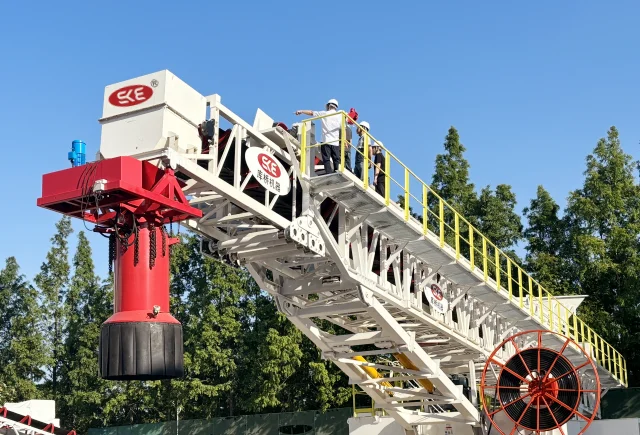
The defining feature is the extendable boom. A telescopic boom ship loader for bulk materials can adjust its length to reach different areas inside the cargo hold.
This is especially useful for:
Most systems include:
These features enhance the flexibility of a telescopic ship loading system for ports, allowing full coverage of the ship hold.
A dust-controlled telescopic loading chute for ship loaders ensures that materials are transferred cleanly into the vessel, reducing environmental impact.
Modern automated telescopic ship loader systems use advanced control technologies to optimize loading paths and improve efficiency.
Depending on the application, a high-capacity telescopic ship loader for coal and ore can handle anywhere from 500 TPH to over 6000 TPH.
A telescopic ship loader for fast vessel loading reduces the need for repositioning and trimming, speeding up the entire process.
The extendable boom allows operators to place material exactly where needed, improving cargo distribution.
With enclosed conveyors and chutes, a dust-free telescopic ship loading system minimizes environmental impact.
Automation reduces the need for manual intervention, making operations safer and more cost-effective.
A telescopic ship loader for coal, grain, and ore loading can handle a wide range of bulk materials with minimal adjustments.
A telescopic grain ship loader ensures gentle handling and precise loading, reducing grain damage and loss.
Coal terminals benefit from telescopic ship loaders for coal loading, which help control dust and improve loading rates.
A telescopic ship loader for iron ore loading is ideal for heavy-duty applications requiring high capacity and durability.
Ports handling aggregates and clinker use bulk material telescopic ship loading conveyors for efficient vessel loading.

Choosing the right telescopic ship loader for bulk cargo handling involves evaluating several factors.
Consider:
These factors influence the design of the telescopic ship loading system.
Determine the throughput needed. A high-capacity telescopic ship loader conveyor is essential for large-scale operations.
Ensure the loader can handle different vessel classes such as:
A telescopic ship loader for large vessel loading requires sufficient boom length and flexibility.
The layout of the terminal will determine whether a fixed, rail-mounted, or mobile telescopic ship loader is more suitable.
Modern ports require eco-friendly telescopic ship loading equipment with dust suppression and noise reduction features.
A telescopic ship loader for bulk material handling is one of the most efficient and flexible solutions available for modern port operations. Its ability to extend, retract, and precisely position material makes it ideal for handling coal, grain, ore, and other bulk commodities.
By investing in a high-performance telescopic ship loading conveyor system, ports can significantly improve loading efficiency, reduce environmental impact, and lower operating costs.
As bulk logistics continues to evolve, the demand for advanced telescopic ship loaders for port terminals will only grow—making them a key component in the future of bulk material handling.