Stacker, Ship Loader, Eco Hopper, Reclaimer, Truck Unloader, Belt Conveyor Manufacturer

Unlike traditional fixed ship loading systems, a mobile ship loader for bulk materials provides flexibility, faster deployment, and lower infrastructure investmen
Modern ports are under constant pressure to load vessels faster, safer, and more efficiently. Whether the cargo is coal for power plants, grain for global food supply, or iron ore for steel production, terminals must handle massive volumes of materials every day. This is where a mobile bulk material ship loader becomes an essential solution.
Unlike traditional fixed ship loading systems, a mobile ship loader for bulk materials provides flexibility, faster deployment, and lower infrastructure investment. It allows ports, inland terminals, and temporary loading facilities to handle bulk cargo efficiently without extensive civil construction.
In this article, we will explore how mobile bulk material ship loaders for coal, grain, and ore work, their key features, benefits, applications, and how to choose the right equipment for modern port operations.
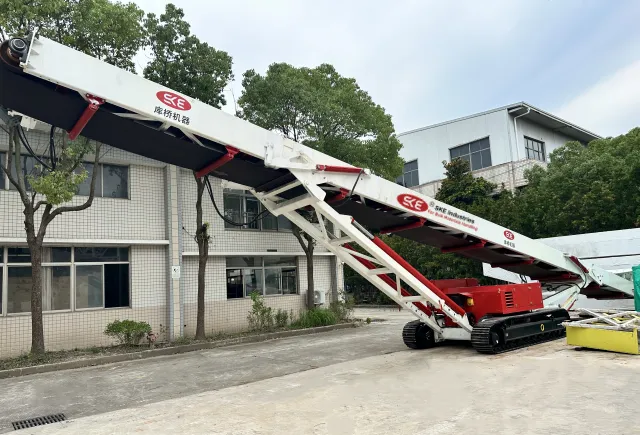
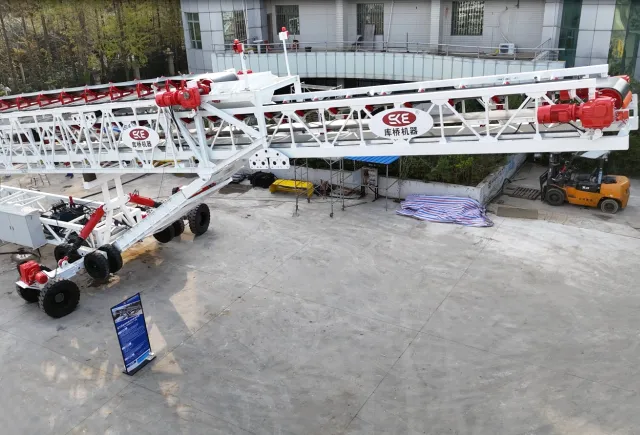
A mobile bulk material ship loader is a movable conveyor-based machine designed to load dry bulk cargo directly into ships. It typically integrates a belt conveyor system, a luffing or telescopic boom, and a mobile chassis that allows the equipment to move along the dock.
Compared with stationary loading systems, a mobile ship loader conveyor for ports can be repositioned easily to serve multiple berths or loading points. This flexibility makes it particularly valuable for ports that handle different types of cargo or operate at multi-purpose terminals.
A typical mobile ship loading conveyor system is designed to handle materials such as:
Because of their versatility, portable ship loaders for bulk cargo loading are widely used in ports around the world.

A mobile ship loader for bulk terminals usually operates as part of a complete material handling system.
The loading process generally follows these steps:
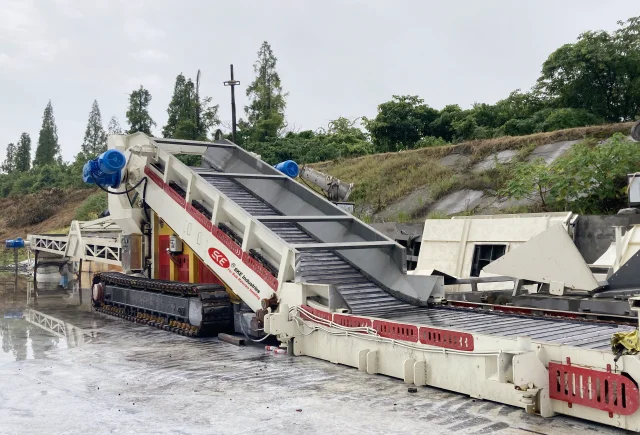
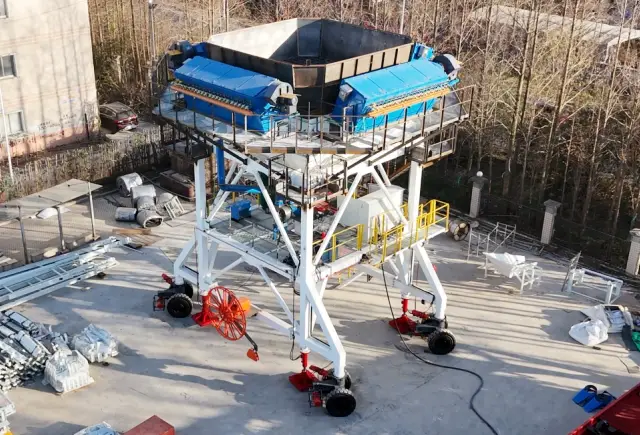
Material arrives from stockpiles, silos, or storage yards through belt conveyors, truck unloaders, or mobile hoppers.
The material is transferred onto the mobile ship loading conveyor.
The conveyor belt moves the material along the boom toward the ship's cargo hold.
A discharge chute or telescopic loading chute guides the material into the vessel while reducing dust and spillage.
The loader's boom can luff, slew, or telescope to distribute cargo evenly.
With modern designs, a high-capacity mobile ship loader for coal and ore loading can achieve loading capacities ranging from 300 TPH to more than 3000 TPH, depending on the terminal requirements.
A portable ship loader conveyor system includes several important components that enable efficient vessel loading.
The mobility system allows the loader to move along the quay. Depending on the design, it may use:
This mobility enables flexible ship loading operations in multi-cargo ports.
The boom conveyor carries bulk material from the feeding point to the ship. In many modern systems, the boom can be adjusted to suit different vessel sizes.
This feature is essential for a mobile ship loader for Panamax and Handymax vessels.
The luffing system adjusts the vertical angle of the boom. It ensures that the bulk cargo ship loading conveyor can reach different cargo holds safely.
A telescopic chute helps control the flow of material and minimizes dust emissions during loading. This is especially important for grain ship loading systems and coal loading terminals where dust control is critical.
Some advanced models include radial movement, allowing the boom to rotate horizontally. This allows operators to distribute cargo evenly without moving the vessel.

Ports and bulk terminals increasingly prefer mobile ship loader systems for bulk material handling because of their operational advantages.
Traditional ship loaders often require heavy civil construction and fixed conveyor networks. A portable mobile ship loader for port terminals significantly reduces these infrastructure requirements.
A mobile ship loading conveyor can be moved between berths, making it ideal for ports handling multiple cargo types.
Because the equipment is pre-engineered and mobile, installation time is much shorter than building a fixed loading system.
Modern mobile loaders provide continuous loading and high throughput, improving the efficiency of coal ship loading systems, grain export terminals, and ore loading facilities.
Many systems include dust suppression and enclosed conveyors, helping ports meet environmental regulations.
The mobile bulk material ship loader for coal, grain and ore is widely used across multiple industries.
Coal remains one of the most common bulk commodities handled at ports. A mobile ship loader for coal loading at ports ensures fast loading while controlling dust emissions.
Grain terminals use mobile grain ship loading conveyors to load wheat, corn, and soybeans into export vessels efficiently.
Mining operations rely on mobile ship loaders for iron ore and mineral loading to move large volumes of material onto cargo ships.
Ports exporting aggregates, sand, and gravel often use portable ship loaders for bulk aggregate loading due to their flexibility.

Selecting the right mobile ship loader for bulk cargo loading depends on several factors.
Different materials require different design considerations. For example:
Ports should determine the required throughput in tons per hour (TPH) to ensure the ship loader meets operational demands.
The loader's boom length and reach must match the vessel types, such as:
A mobile ship loader for Panamax vessel loading usually requires a longer boom and higher capacity.
Ports handling multiple cargo types often prefer fully mobile ship loading conveyor systems that can move between loading points.
Dust suppression, enclosed conveyors, and telescopic chutes are essential for modern eco-friendly ship loading systems.
As global trade continues to expand, the demand for advanced mobile ship loader equipment is increasing.
Several trends are shaping the future of ship loading technology:
These innovations are helping ports improve productivity while reducing environmental impact.
A mobile bulk material ship loader for coal, grain and ore offers a practical and efficient solution for modern bulk terminals. With flexible mobility, high loading capacity, and lower infrastructure costs, these systems are becoming an increasingly popular choice for ports worldwide.
By adopting a high-capacity mobile ship loader conveyor system, ports can improve loading efficiency, reduce operating costs, and handle multiple types of bulk cargo with ease.
As international bulk trade continues to grow, mobile ship loaders for port terminals will remain a key technology for efficient and flexible ship loading operations.