Stacker, Ship Loader, Eco Hopper, Reclaimer, Truck Unloader, Belt Conveyor Manufacturer

In modern agriculture and bulk material logistics, efficiency is everything. Grain producers, storage terminals, feed mills, and port operators are all under pressure to move larger volumes of grain faster while reducing labor costs and minimizing material loss. This is where a mobile grain handling system becomes an essential solution.
Unlike fixed conveying systems, mobile grain handling equipment offers flexibility, portability, and rapid deployment. Whether handling corn, wheat, soybeans, rice, barley, or other bulk grains, a mobile system can significantly improve operational efficiency across farms, silos, warehouses, inland terminals, and ports.
A mobile grain handling system is a portable bulk material conveying solution designed to transport, load, unload, stack, or transfer grain efficiently between trucks, railcars, storage facilities, and ships.
These systems typically include:
Most systems are mounted on wheels or tracks, allowing operators to move equipment quickly between working areas without complicated installation work.

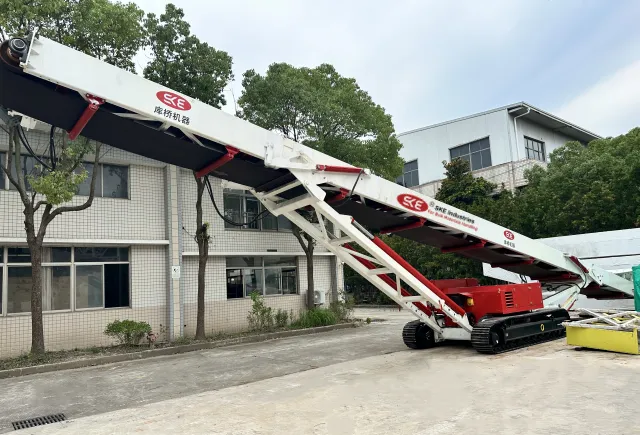
This is a grain bunker stacker for building piles.
Traditional fixed grain conveying systems work well in permanent facilities, but they often lack flexibility. As grain logistics become more dynamic, operators need equipment that can adapt to changing layouts and seasonal demand. A mobile grain handling system provides several important advantages.
Mobile systems can easily move between multiple loading and unloading points. This flexibility is especially valuable for temporary storage yards, seasonal grain operations, and expanding terminals. Operators can quickly reposition the conveyor depending on workflow requirements, reducing downtime and improving productivity.
Installing a fixed grain conveyor system usually requires concrete foundations, steel structures, and lengthy construction work. In contrast, mobile grain conveyors require minimal civil engineering. This helps businesses reduce upfront investment costs while maintaining operational flexibility.
Modern grain handling systems are designed for high-capacity operation. Depending on the model, capacities can range from 100 TPH to over 3000 TPH.
This allows operators to:
Higher throughput means shorter turnaround times and improved logistics efficiency.
Gentle handling is critical when transporting agricultural products. Belt conveyor-based systems minimize grain degradation compared to screw conveyors or traditional handling methods. Reduced grain breakage helps maintain product quality and minimizes financial losses.
Most mobile grain handling equipment is designed with simple operating systems and easy-access maintenance points. Hydraulic folding systems, automated controls, and adjustable discharge heights improve operational convenience.
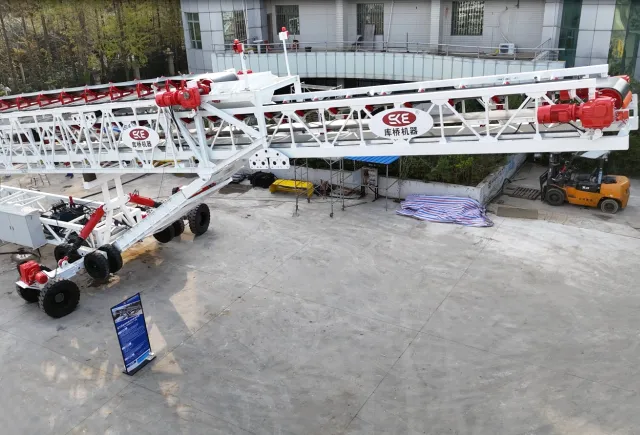
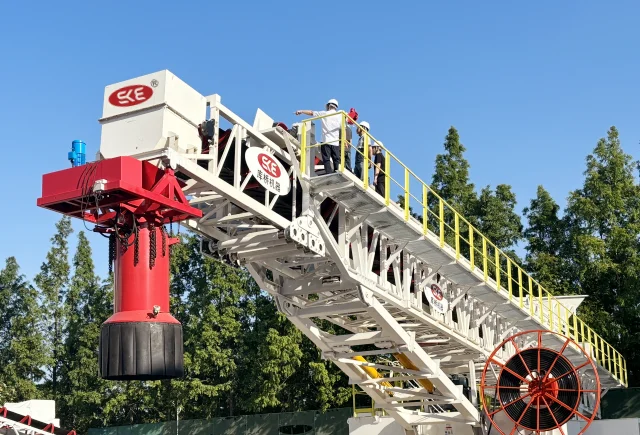
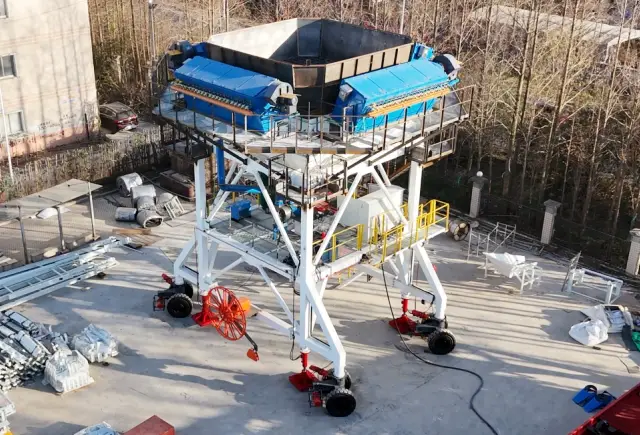
This is a all wheel travel mobile ship loader for grain loading.
Mobile grain handling equipment is widely used in agricultural and industrial sectors worldwide.
Farm operators use portable grain conveyors to move harvested crops directly from trucks into temporary storage or silos. Mobile systems are especially useful during harvest seasons when large grain volumes must be handled quickly.
At grain terminals and storage depots, mobile conveyors help operators transfer grain between silos, warehouses, and truck loading stations. Their mobility allows facilities to optimize storage space and operational layout.
Bulk grain export terminals require efficient ship loading solutions. Mobile ship loaders and telescopic conveyors enable flexible vessel loading while reducing dust generation and material spillage.
These systems are commonly used for:
Feed manufacturers rely on grain handling systems to transport raw materials efficiently between receiving stations, storage bins, and processing lines. Mobile equipment provides operational flexibility during plant expansion or maintenance work.
The mobile belt conveyor is the core component of most grain handling systems. It transports grain continuously over short or long distances.
Features often include:
A mobile hopper feeder receives grain directly from trucks or loaders and feeds downstream conveyors at a controlled rate. This equipment eliminates double handling and improves unloading efficiency.
Radial stackers are used for stockpiling grain in large storage yards. Telescopic designs maximize storage capacity while minimizing material segregation.
For export terminals, mobile ship loaders provide an efficient method of loading bulk grain onto vessels. Their mobility allows operators to serve multiple berths using one machine.
Selecting the right grain handling equipment depends on several operational factors.
Different grains have varying flow properties, moisture levels, and densities. The system should be designed to handle the specific material safely and efficiently.
System capacity is usually measured in tons per hour (TPH). Choosing the correct throughput ensures smooth operation without bottlenecks.
The required conveyor length and lifting height will influence equipment selection, belt width, and power requirements.
Some applications require frequent relocation. In such cases, wheeled or tracked mobile systems offer better flexibility.
Outdoor grain handling systems should include weather protection, corrosion resistance, and dust control measures for reliable long-term operation.

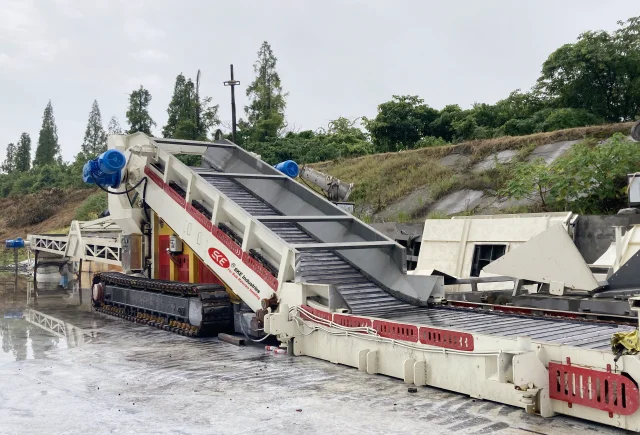
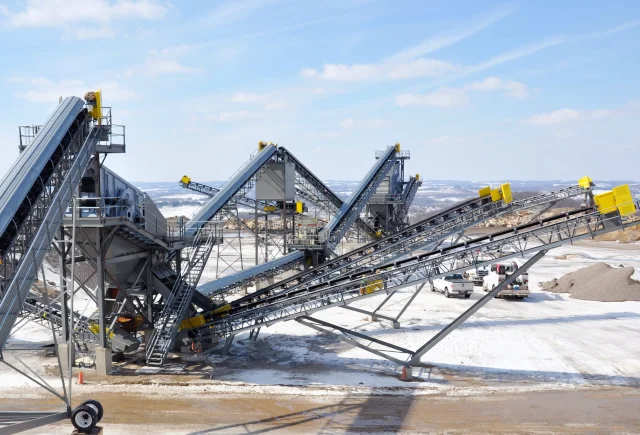
This is mobile grasshopper conveyor for grain transferring.
Today's grain handling systems increasingly incorporate automation technologies to improve efficiency and safety.
Advanced features may include:
These technologies help operators reduce labor costs while improving process control and equipment reliability.
As global grain trade continues to grow, the demand for flexible and efficient handling equipment will increase. Mobile systems are becoming more advanced, energy-efficient, and environmentally friendly.
Future developments are expected to focus on:
For grain terminals, agricultural cooperatives, and logistics companies, investing in a modern mobile grain handling system can significantly improve operational performance and long-term profitability.
A mobile grain handling system offers a practical and cost-effective solution for modern grain logistics. Its flexibility, high efficiency, and portability make it ideal for farms, storage terminals, feed mills, and port operations.
Whether unloading trucks, transferring grain between silos, or loading export vessels, mobile grain handling equipment helps businesses reduce operating costs, improve throughput, and maintain grain quality.
As agricultural logistics continue to evolve, mobile grain conveying systems will play an increasingly important role in supporting efficient and reliable bulk grain transportation worldwide.