Stacker, Ship Loader, Eco Hopper, Reclaimer, Truck Unloader, Belt Conveyor Manufacturer

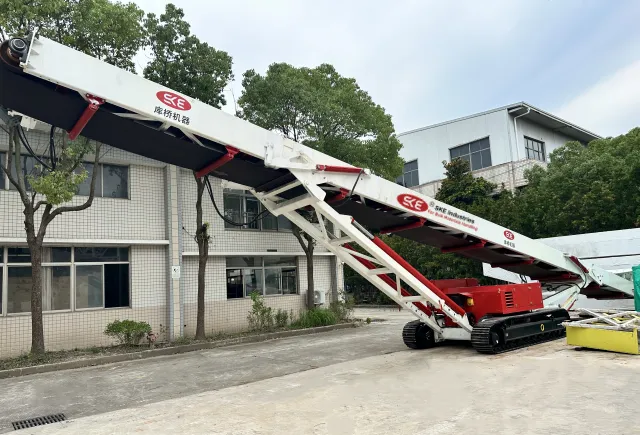
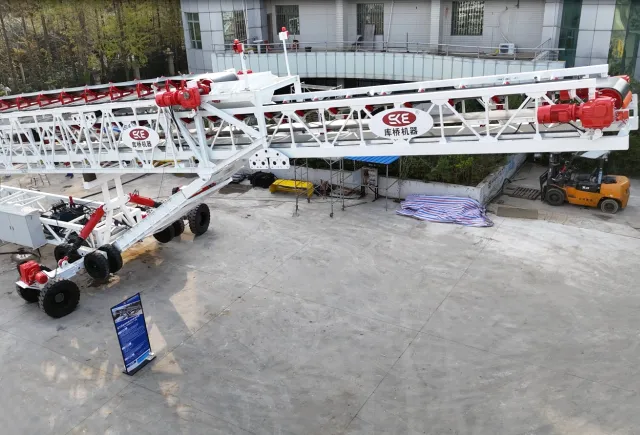
Our grain loading machine is equipment designed to transfer bulk grain from storage facilities to transport systems like ships, barges, trucks, or railcars.
A grain loading machine is equipment designed to transfer bulk grain—such as wheat, corn, soybeans, barley, or rice—from storage facilities to transport systems like ships, barges, trucks, or railcars. They can handle capacities from 400 to over 2,000 tonnes per hour. These machines are common in grain terminals, ports, grain silos, and processing plants, where high-capacity, dust-controlled loading is essential.
Grain loaders vary by mobility, mechanism, and application, optimized for gentle handling to prevent grain damage.
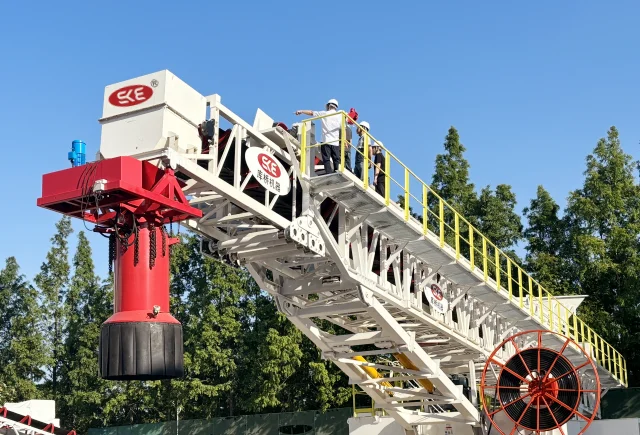
Grain ship loaders are purpose-built for transferring grain onto bulk carriers and barges, and can be designed as fixed, mobile, or rail-mounted systems with telescopic and slewing booms to efficiently reach multiple hatch positions. They are often equipped with loading spouts or telescopic loading bellows to minimize dust emissions, ensuring cleaner and more environmentally friendly operations. Highly versatile for high-volume grain terminals, these machines also reduce reliance on hydraulic systems, supporting more sustainable loading practices.
Grain loading systems often work in conjunction with grain silos, using telescopic loading spouts positioned over truck or wagon loading bays to efficiently transfer grain. These spouts are typically integrated with dust control systems such as bag filters, ensuring clean, controlled loading operations that minimize environmental impact and product loss.
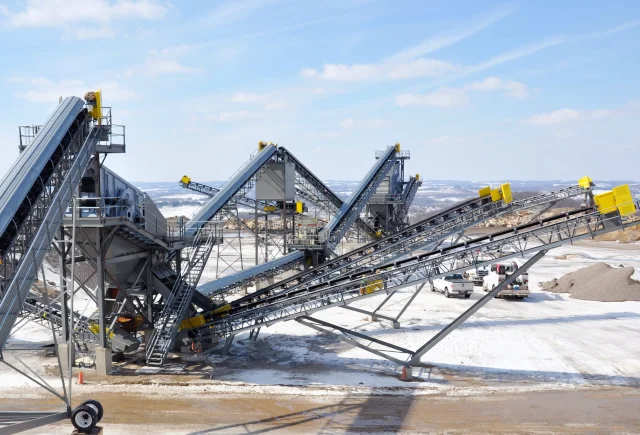
Portable grain loading machines, such as belt conveyors or screw conveyors, can be easily moved between different loading points, offering flexibility for various operational needs. They are ideal for smaller or multi-purpose facilities that handle varying ship sizes, providing a cost-effective and adaptable solution for grain transfer.

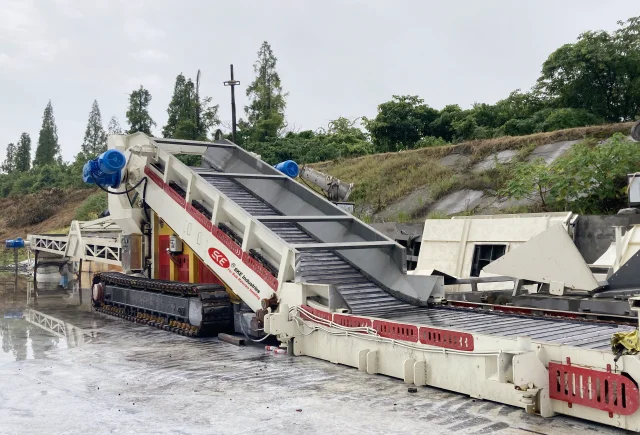
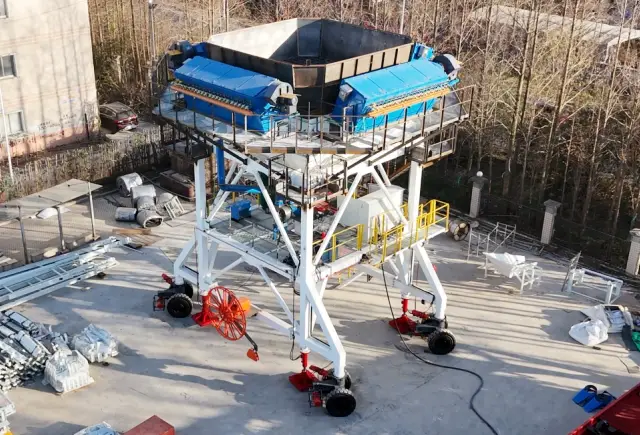
This is a truck unloader for truck dumping.
If you want, I can give you a diagram of a grain ship loader showing the silo feed, conveyor system, telescopic boom, and dust control setup so you can visualize the full loading process from silo to ship hold.