Stacker, Ship Loader, Eco Hopper, Reclaimer, Truck Unloader, Belt Conveyor Manufacturer

Bulk material ship loading and unloading refers to the specialized port operations that transfer dry bulk cargo—such as coal, iron ore, grain, cement, fertilizer, biomass, and bauxite—between vessels and onshore facilities.
Bulk material ship loading and unloading refers to the specialized port operations that transfer dry bulk cargo—such as coal, iron ore, grain, cement, fertilizer, biomass, and bauxite—between vessels and onshore facilities. These processes are fundamental to global trade and supply chains in energy, mining, steel-making, agriculture, and construction.
Bulk material ship loading and unloading operations mainly focus on major commodities such as coal, iron ore, and grain (wheat, corn), which dominate global dry bulk trade. In addition, minor bulk cargoes like cement, fertilizers, sugar, and bauxite are also widely transported. These materials are typically handled in loose form and shipped in massive volumes, with a single vessel often carrying between 50,000 and 200,000 tons, making efficient and reliable handling systems essential for smooth port operations.
Discharge bulk materials from a ship's hold into onshore storage (silos, stockyards) or directly to industrial plants. Main Types of Ship Unloaders:
A grab-type ship unloader, which operates using a crane with a grab bucket, is highly flexible and capable of handling a wide range of bulk materials including coal, ore, and fertilizers. With a capacity of about 400–2,500 t/h, it provides reliable performance for medium to large-scale operations. This versatility makes it especially well-suited for general-purpose terminals, where ports must efficiently accommodate different cargo types and vessel sizes.
Continuous mechanical ship unloaders—such as screw, bucket-chain, or bucket-wheel systems—are designed for continuous, high-capacity, and enclosed operation, ensuring both efficiency and dust control. With throughputs ranging from 500 to 5,000 t/h, they are ideal for handling massive volumes at large coal, grain, or ore terminals, where minimizing vessel turnaround time and maintaining environmental standards are critical.
Pneumatic ship unloaders use suction to handle fine and powdery materials such as grain, cement, and fly ash. They provide a fully dust-free operation, making them suitable for sensitive environments, though their capacity is generally lower, at around 100–1,000 t/h. These systems are best suited for grain terminals, cement plants, and facilities handling light powders, where cleanliness and environmental compliance are more important than maximum unloading speed.
Transfer materials from conveyors, silos, or stockpiles into a ship's hold for export or coastal transport.
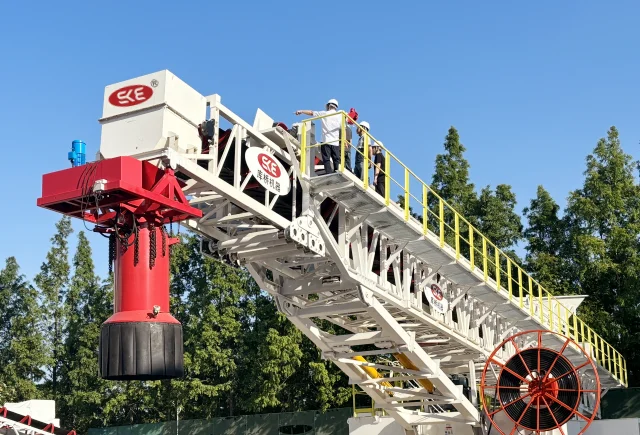
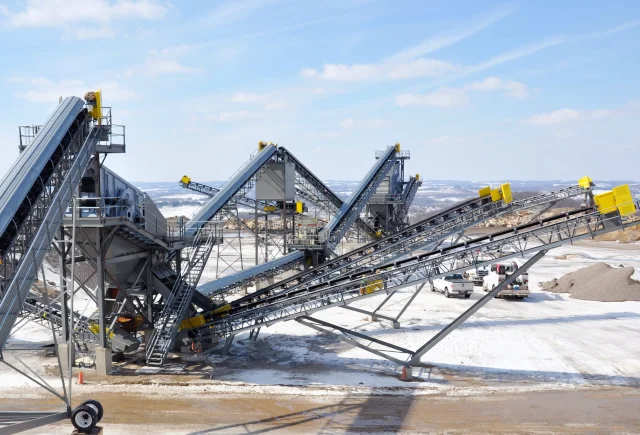
Belt-type ship loaders use conveyors equipped with telescopic and slewing booms to extend their reach and efficiently load bulk materials into vessel holds. With capacities ranging from 500 to 10,000 t/h, they are capable of handling a wide variety of commodities such as coal, ore, grain, aggregates, and fertilizer. Their versatility and high throughput make them the standard choice for large-scale bulk terminals that require fast and efficient ship loading.
Screw-type ship loaders provide enclosed, dust-controlled loading, making them particularly suitable for fine or reactive materials such as cement, grain, and lime. With handling capacities typically ranging from 200 to 2,000 t/h, they ensure environmentally compliant operations while protecting material quality, making them an excellent choice for ports and terminals where dust suppression and product integrity are priorities.
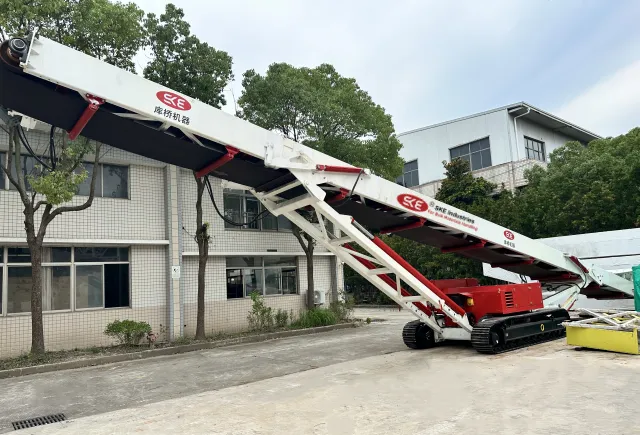
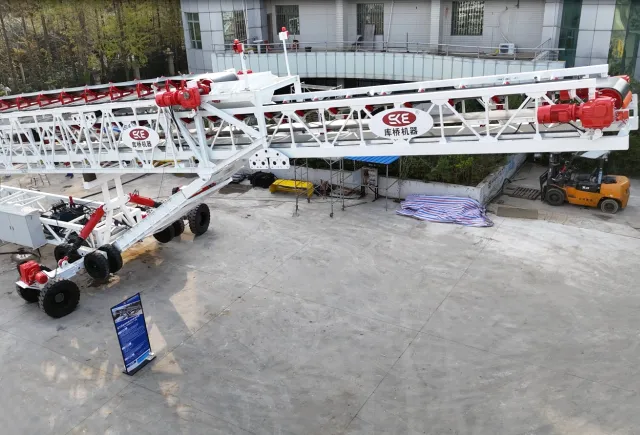
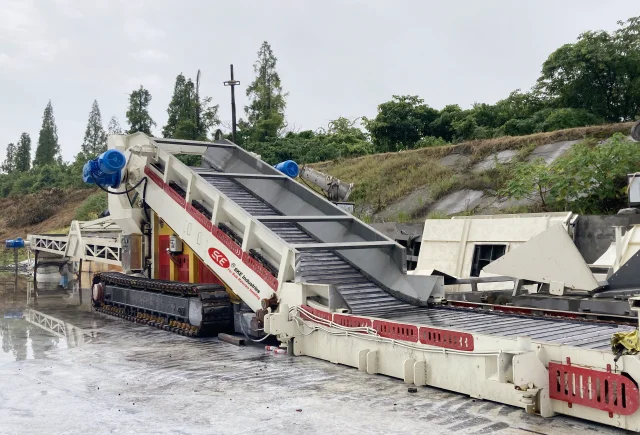
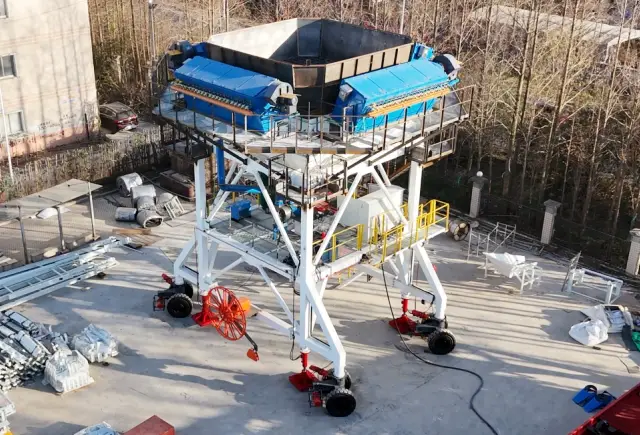
Mobile ship loaders, mounted on wheels or tracks, offer high flexibility to operate across different berths without requiring permanent infrastructure. Our mobile ship loader are particularly ideal for smaller or multi-purpose ports, where varying vessel sizes and cargo types must be accommodated efficiently. The mobility of mobile ship loader allows operators to optimize berth usage and adapt quickly to changing operational needs.
Continuous bucket-chain ship unloader at 2,500 t/h discharging coal from Panamax vessels to a stockyard feeding a 1,000 MW power plant.
Belt-type ship loader with telescopic boom loading 3,000 t/h of soybeans onto Panamax bulk carriers.
Screw-type enclosed ship loader at 500 t/h ensures dust-free loading of cement into coastal vessels.
Would you like me to prepare a side-by-side comparison chart of bulk ship loaders vs unloaders (types, materials handled, capacities, pros & cons)? That would give you a quick-reference overview.