Stacker, Ship Loader, Eco Hopper, Reclaimer, Truck Unloader, Belt Conveyor Manufacturer
Pubdate:07-07-2026 Views:3121
Mobile ship loaders operate in some of the world's harshest industrial environments. Constant exposure to salt spray, high humidity, ultraviolet (UV) radiation, abrasive dust, rain, and fluctuating temperatures makes corrosion protection a critical factor in ensuring long-term equipment reliability.
A properly designed paint system not only enhances the appearance of a mobile ship loader but also provides essential protection against corrosion, reduces maintenance costs, and extends the equipment's service life. This article introduces the standard paint requirements, coating systems, surface preparation methods, and international coating standards commonly applied to mobile ship loaders.
Unlike indoor conveying equipment, mobile ship loaders are typically installed in open ports, bulk terminals, and coastal environments where steel structures are continuously exposed to aggressive atmospheric conditions.
A high-performance coating system helps:
Without adequate corrosion protection, rust can compromise structural integrity, increase maintenance costs, and shorten the operational lifespan of the equipment.

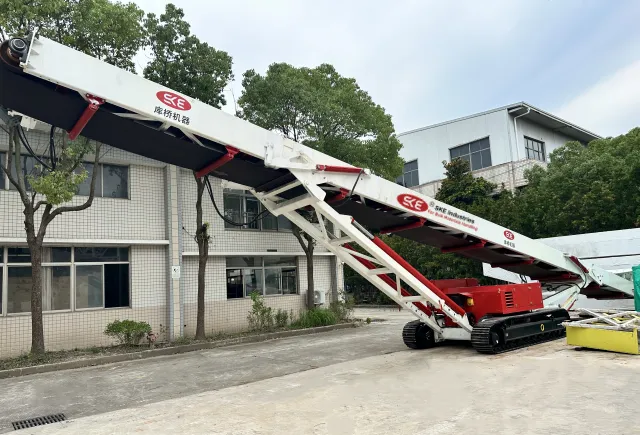
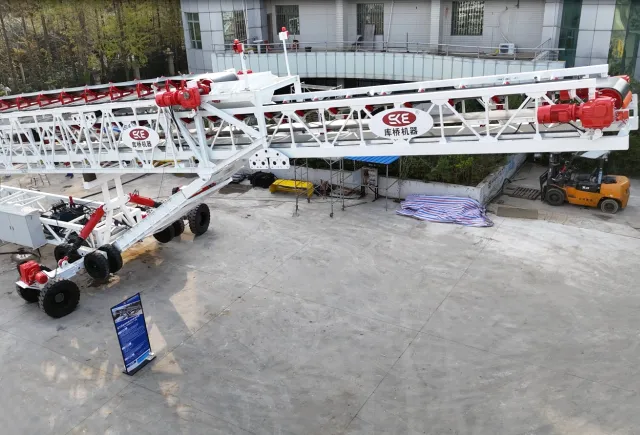
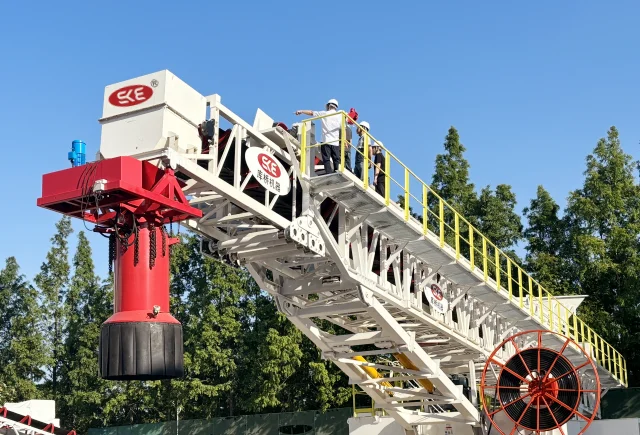
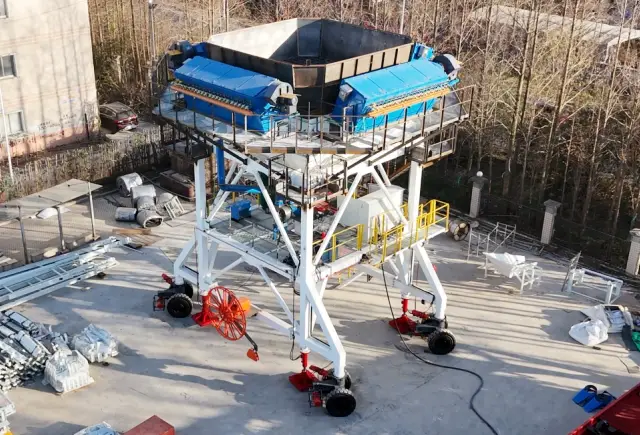
our mobile ship loader system with high quality paint
The required paint specification depends largely on the operating environment.
Common applications include:
Marine environments generally require significantly higher corrosion protection than inland industrial sites.
Most reputable manufacturers design coating systems according toISO 12944, the internationally recognized standard for corrosion protection of steel structures.
Typical corrosivity categories include:
| Environment | ISO Corrosion Category | Typical Application |
| Indoor dry facilities | C2 | Warehouses |
| Industrial atmosphere | C3 | Inland terminals |
| Coastal industrial areas | C4 | Medium marine exposure |
| Marine ports | C5-H | Heavy coastal terminals |
| Splash or tidal zones | CX | Severe offshore exposure |
Most mobile ship loaders installed at seaports are specified forC5-Hor higher to ensure long-term durability.
High-quality coatings begin with proper surface preparation. Even the best paint system cannot perform well if applied to poorly prepared steel.
Standard preparation steps include:
Before blasting, steel surfaces should be free from:
Steel is typically abrasive blasted toSa 2.5according toISO 8501-1.
This process removes:
The resulting surface profile provides excellent mechanical adhesion for primer coatings.
A surface profile of approximately40–75 μmis commonly recommended, depending on the selected coating system.

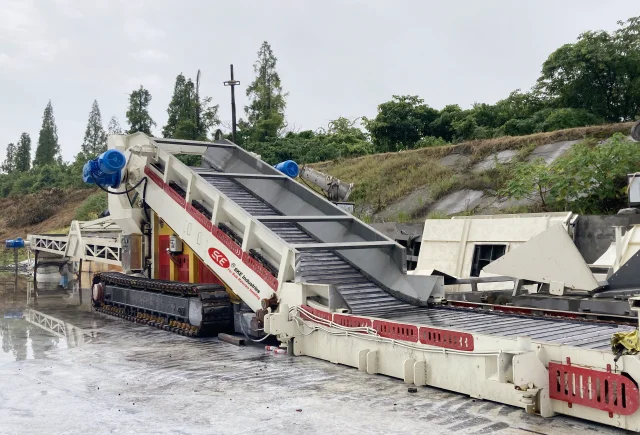
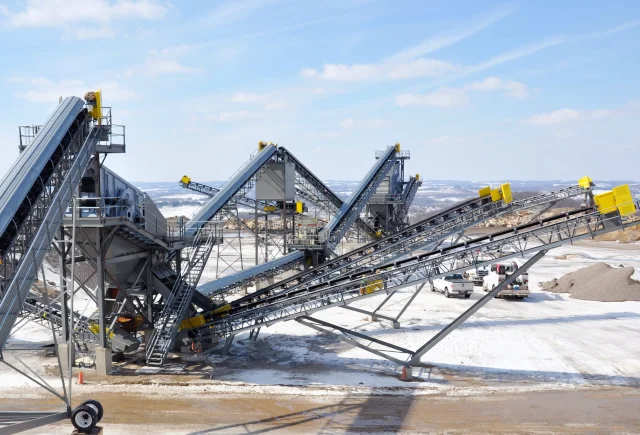
truck unloader with high quality paint for feeding mobile ship loader conveyor
Most mobile ship loaders use a three-coat protective system.
The primer provides sacrificial corrosion protection by protecting exposed steel even if the coating is damaged.
Typical characteristics:
The intermediate layer builds coating thickness while providing chemical and moisture resistance.
Typical properties:
The topcoat provides long-term weather resistance and protects against UV degradation.
Advantages include:
Typical DFT:
Typical total coating thickness for mobile ship loaders includes:
| Environment | Total DFT |
| Inland industrial | 180–220 μm |
| Coastal industrial | 220–280 μm |
| Marine ports | 280–350 μm |
| Severe offshore environments | 350–450 μm |
The exact specification should be selected according to the project's corrosion category and expected service life.
Many ship loader manufacturers specify internationally recognized coating suppliers to ensure consistent quality and global technical support.
Frequently used brands include:
These manufacturers offer complete coating systems certified to international standards for marine and industrial applications.

Most projects specify colors according to theRALcolor system.
Common choices include:
Safety markings, handrails, ladders, and emergency areas are often painted in contrasting colors to improve visibility and comply with workplace safety regulations.
To ensure coating performance, inspections are carried out throughout the painting process.
Typical inspections include:
Proper documentation is often required for project acceptance.
Some parts of a mobile ship loader experience higher wear or corrosion and may require additional protection.
These include:
Additional measures may include ceramic wear liners, rubber lining, stainless steel components, or extra coating thickness.
Even premium coating systems require periodic inspection throughout the equipment's operational life.
A preventive maintenance program typically includes:
Timely maintenance helps preserve corrosion protection and reduces long-term repair costs.
A properly engineered coating system provides numerous operational benefits:
For equipment expected to operate for 20 years or more in marine environments, investing in a premium coating system offers significant long-term economic advantages.
The paint system of a mobile ship loader is far more than a cosmetic finish—it is a critical engineering element that protects the equipment from corrosion, environmental exposure, and premature deterioration. By following international standards such asISO 12944, using proper surface preparation, and selecting high-performance coating systems from leading manufacturers, operators can significantly extend equipment life while reducing maintenance costs.
Whether serving coal terminals, grain export ports, cement plants, or iron ore facilities, a well-designed protective coating system ensures that a mobile ship loader continues to operate safely, efficiently, and reliably under demanding marine conditions for many years.