Stacker, Ship Loader, Eco Hopper, Reclaimer, Truck Unloader, Belt Conveyor Manufacturer
Pubdate:05-20-2026 Views:2312
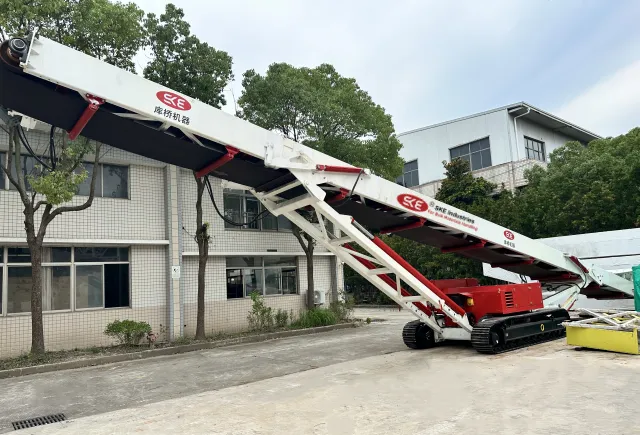
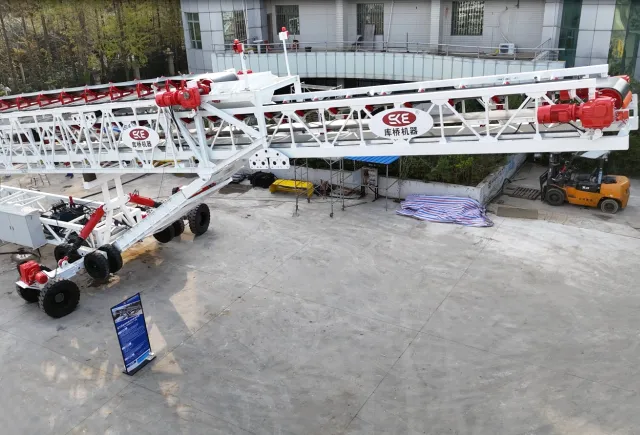
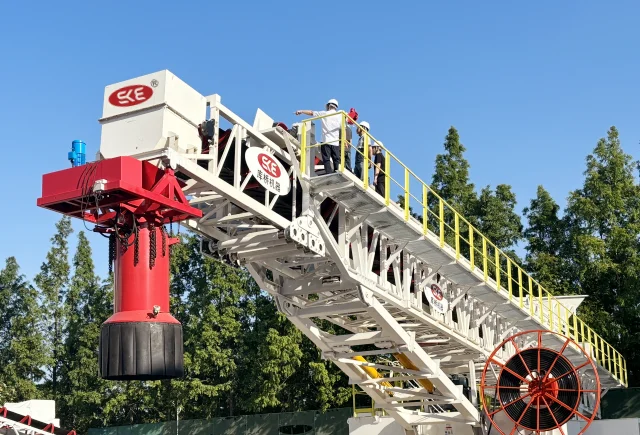
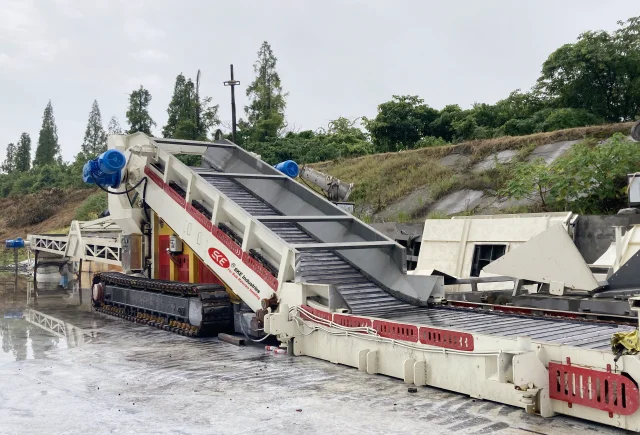
tracked conveyors are widely used in mining, quarrying, ports, aggregates, recycling, and mobile crushing operations because of their flexibility, mobility, and ability to operate in remote environments. One of the most important components of a tracked conveyor is its diesel engine, which powers the hydraulic system, conveyor belt, crawler tracks, and auxiliary functions.
As environmental regulations become increasingly strict around the world, diesel engine requirements for tracked conveyors are evolving rapidly. Manufacturers and project owners must ensure their equipment complies with regional emission standards, fuel efficiency regulations, noise limitations, and operational safety requirements.
This article explains the global diesel engine requirements for tracked conveyors, including emission standards in major markets, engine selection considerations, and future industry trends.
Tracked conveyors are often used in locations where electrical infrastructure is unavailable or temporary. Diesel-powered systems provide:
Diesel engines typically drive:
Because tracked conveyors operate in environmentally sensitive industries such as mining and ports, engine emissions and fuel efficiency are now major purchasing considerations.

Different countries and regions have established strict diesel engine emission standards to reduce pollutants such as:
Tracked conveyor manufacturers must select engines that meet local compliance requirements.
In the United States, non-road mobile machinery such as tracked conveyors must comply with the Environmental Protection Agency (EPA) standards.
EPA Tier 4 Final is currently the strictest standard for off-road diesel engines.
Major engine suppliers:
The European Union enforces Stage V emission regulations for non-road mobile machinery (NRMM).
Stage V is one of the world's most advanced emission regulations.
Tracked conveyors exported to Europe usually require:
China has introduced increasingly strict emission regulations for construction and mining machinery.
China IV standards are largely aligned with EU Stage V technologies.
China IV engines are now commonly required for:
Domestic and international engine brands both offer compliant models.
India regulates off-road diesel equipment under the CEV (Construction Equipment Vehicle) emission standards.
These regulations are based partly on European standards and are becoming increasingly important in mining and infrastructure projects.
Tracked conveyors used in Indian mining and aggregate operations increasingly require compliant engines for government and large private projects.
Common Requirements:
In many remote mining areas, operators still prefer:
However, international mining companies increasingly specify:
Choosing the correct diesel engine involves more than emission compliance.
The engine must support:
Typical tracked conveyor engine power ranges:
Fuel consumption directly affects operating cost.
Modern engines use:
Benefits include:
Tracked conveyors may operate in:
The engine must therefore provide:
Easy maintenance is essential for mobile equipment.
Important features include:
Manufacturers often select globally recognized engine brands to improve service support.
As sustainability becomes more important, many tracked conveyor manufacturers are developing:
Benefits:
In ports and urban projects, electric-powered tracked conveyors are becoming increasingly popular.
The future of tracked conveyor engines will focus on:
Emerging technologies include:
Global regulations are expected to become even stricter over the next decade.
Diesel engine requirements for tracked conveyors are becoming increasingly important in the global bulk material handling industry. Whether operating in mining, quarrying, ports, or recycling facilities, tracked conveyor manufacturers must ensure compliance with regional emission regulations while maintaining reliability, mobility, and operational efficiency.
EPA Tier 4 Final, EU Stage V, China IV, and CEV Stage IV standards are now shaping equipment design worldwide. At the same time, the industry is gradually transitioning toward hybrid and electric conveyor technologies to meet future sustainability goals.
Selecting the right diesel engine is no longer only about power output—it is also about environmental compliance, fuel efficiency, maintenance, and long-term operational cost. Companies that adopt advanced engine technologies will gain significant advantages in global markets and future infrastructure projects.